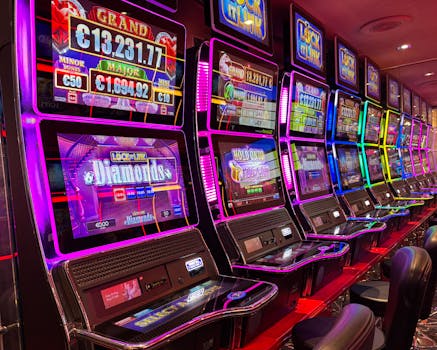
Slot machines are the crown jewels of any casino floor, and their jackpots have created countless tales of life-changing wins and near-misses. But behind the flashing lights and spinning reels lies a fascinating world of technology, mathematics, and psychology. If you’ve ever wondered how slot machine jackpots really work—from the small fixed prizes to the multi-million progressive payouts—this guide will reveal everything you need to know.
The Mechanics Behind Slot Machine Jackpots
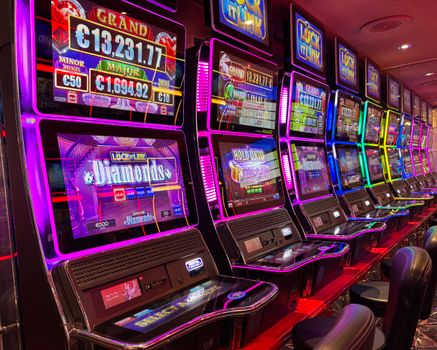
To understand how slot machine jackpots work, it’s essential to peel back the layers of what seems like pure luck and uncover the mechanisms at play. At the heart of every slot machine is a Random Number Generator (RNG). This computer chip generates thousands of random numbers every second, each one corresponding to different reel positions and outcomes.
When you press the spin button, the RNG locks in a number at that exact millisecond. That number determines the symbols you see on your screen and whether you win or lose. The entire process is verified by regulatory bodies to ensure fairness.
.png)
There are two primary types of slot machine jackpots:
1. Fixed jackpots: These offer a set payout for hitting a specific combination. 2. Progressive jackpots: The prize pool increases incrementally with each bet placed by players, often across multiple machines or even casinos.According to the American Gaming Association, slot machines account for over 70% of all casino revenue in the United States, and jackpots are a major part of their appeal. In 2022 alone, the largest single slot machine payout was $15.5 million, highlighting the allure of these games.
Progressive vs. Fixed Jackpots: What’s the Difference?
The world of slot jackpots splits into two main categories, each offering a very different experience and prize potential.
Fixed jackpots are predictable. The payout for a specific winning combination is static and advertised clearly on the machine’s paytable. For example, lining up five “7” symbols might always pay 5,000 coins, regardless of when you play or how many have played before you.
Progressive jackpots, on the other hand, are dynamic and thrilling. A small percentage of every qualifying bet is added to an ever-growing jackpot pool. Some progressive jackpots are “local,” meaning the pool is built from a group of linked machines within a single casino. Others are “wide-area,” connecting machines across multiple venues—even online casinos—resulting in massive rewards.
Here’s a side-by-side comparison to clarify the differences:
| Feature | Fixed Jackpot | Progressive Jackpot |
|---|---|---|
| Payout Amount | Predetermined, unchanging | Grows over time until won |
| Odds of Winning | Static, usually higher | Lower due to large prizes |
| Jackpot Source | Single machine or game | Multiple machines or casinos |
| Typical Size | Hundreds to thousands | Thousands to millions |
| Example | Classic “777” slots | Mega Moolah, Wheel of Fortune |
The largest progressive jackpot ever recorded was $39.7 million, won in Las Vegas on a Megabucks slot in 2003—a testament to how massive these prizes can get.
How Progressive Jackpots Accumulate
Progressive jackpots are the stuff of legend in the gambling world. But how exactly do these massive prize pools build up so quickly?
Every time a player places a bet on a progressive slot, a tiny percentage—often between 1% and 5%—is siphoned off and added to the jackpot. For example, on a $1 spin, 2 cents might go to the progressive pool. With thousands of players spinning 24/7 across linked machines, these contributions snowball rapidly.
There are three main types of progressive jackpots:
1. Standalone: Only one machine contributes to its own jackpot. 2. Local: A group of linked machines within one casino builds a shared jackpot. 3. Wide-Area: Machines across several casinos, even in different states or countries, contribute to an enormous shared prize.Some famous online progressives, like Microgaming’s Mega Moolah, have paid out over $1.6 billion in jackpots since their inception. In 2018, a lucky British player won £13.2 million (about $17.2 million at the time) on Mega Moolah with a 25p spin, demonstrating the global reach and life-changing potential of these games.
Payouts, Odds, and the Role of Bet Size
While slot machine jackpots offer a shot at fortune, the odds of hitting a major win are long. The exact odds depend on the game’s design, the number of reels, symbols, and whether it’s a fixed or progressive jackpot.
For example, hitting the top prize on a three-reel, single-payline classic slot can be as unlikely as 1 in 262,144 spins (based on 64 symbols per reel: 64 x 64 x 64). For wide-area progressives, the odds stretch further—Mega Moolah’s top jackpot is estimated at about 1 in 49,836,032.
Bet size is another critical factor. Many progressive slots require the maximum bet to qualify for the jackpot. For example, on a $1 slot with three paylines, only a $3 max bet might make a player eligible for the progressive prize. Failing to bet max often reduces the potential payout or excludes the player from the jackpot entirely.
It’s worth noting that not all slots require maximum bets for jackpots, so always check the game’s rules and paytable. According to a 2021 survey by the UK Gambling Commission, only 17% of slot players were aware that their bet size could affect jackpot eligibility—a crucial piece of knowledge for anyone chasing big wins.
The Psychology and Appeal of Slot Jackpots
Jackpots are more than just numbers—they’re a psychological hook that keeps players coming back. The chance to win a life-changing sum from a small wager is irresistible, and casinos capitalize on this with flashing lights, celebratory sounds, and prominent jackpot displays.
Psychologists call this phenomenon the “availability heuristic”: we remember big winners and believe we might be next, even if the odds are tiny. A study by the University of Nevada found that slot machines with progressive jackpots kept players engaged 38% longer than non-jackpot machines.
Casinos also use “near-miss” outcomes—where the reels almost line up for a jackpot—to heighten excitement and encourage continued play. In fact, research published in the Journal of Gambling Studies showed that near-miss events activate the same brain regions as actual wins, fueling the desire to keep spinning.
Taxation and Payout Methods for Jackpot Winners
Winning a slot machine jackpot is thrilling, but it also comes with practical considerations—namely, how you’ll be paid and what taxes you might owe.
In the United States, federal law requires casinos to report slot wins of $1,200 or more. Winners must complete a W-2G form, and 24% of the winnings are withheld for federal taxes. State taxes may also apply, depending on where you play.
Jackpots are usually paid in one of two ways:
1. Lump Sum: The entire amount is paid at once, minus taxes. 2. Annuity: The prize is paid out in annual installments over several years (common for the largest wide-area progressives).International players should be aware that their home country’s tax laws may differ. For example, in the UK, gambling winnings are tax-free, while in Canada, only professional gamblers owe tax on their prize money.
If you win a life-changing jackpot, consider consulting a financial advisor to help manage taxes and plan for the future.
What the Future Holds for Slot Machine Jackpots
As technology advances, the world of slot machine jackpots continues to evolve. Online slots now offer networked progressives with even larger prize pools, and cryptocurrencies are beginning to appear as payout options on some platforms.
Virtual reality (VR) casinos and skill-based slots are emerging, blending traditional chance with interactive elements. These innovations could make jackpots even more engaging and accessible to a new generation of players.
Regulatory bodies are also tightening controls to ensure fairness and transparency, including regular audits and published payout percentages. In 2023, the Nevada Gaming Control Board reported that the average slot machine payout (return to player, or RTP) was 93.5%, meaning casinos retained 6.5% of all wagers—a helpful statistic for players to know.
Key Takeaways on How Slot Machine Jackpots Work
Slot machine jackpots combine cutting-edge technology, psychology, and chance to create one of gambling’s most exciting experiences. Whether you’re drawn to the steady allure of fixed jackpots or the sky-high rewards of progressives, understanding how these prizes work puts you in a better position to play responsibly and enjoy the thrill.
Remember: always check the paytable, understand the odds, and play within your means. The real jackpot is having fun and knowing how the game works.