The Evolution of Online Slot Machines
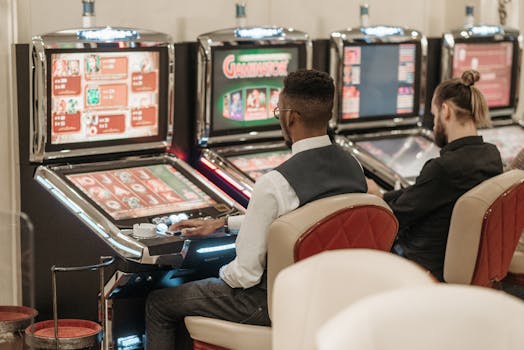
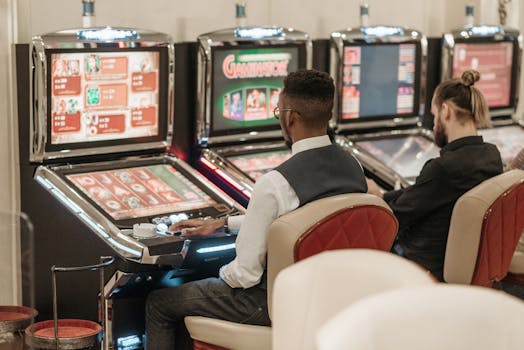
The world of gambling has undergone a dramatic transformation in the past few decades, with online slot machines at the heart of this revolution. Once confined to the smoky corners of brick-and-mortar casinos, slot machines have now found a vibrant new life in the digital world. Today, online slots attract millions of players worldwide, offering a dazzling array of themes, features, and jackpots that were unimaginable just a generation ago. In this article, we’ll trace the fascinating journey of slot machines from their mechanical beginnings to their current digital dominance, explore the innovations that have shaped their evolution, and examine what the future holds for this ever-popular form of entertainment.
The Mechanical Beginnings: The First Slot Machines
The story of slot machines starts in the late 19th century. In 1895, a San Francisco mechanic named Charles Fey built the Liberty Bell, widely regarded as the world’s first true slot machine. The Liberty Bell had three spinning reels, a simple lever, and five standard symbols: horseshoes, diamonds, spades, hearts, and the Liberty Bell itself. Players would pull the lever, hoping to align matching symbols for a payout—usually in the form of coins or tokens.
Mechanical slot machines quickly became a hit in bars and saloons. By the early 20th century, they had become a staple of American gambling culture. However, these early machines were entirely mechanical, limited in both design and payout options. For instance, a typical Liberty Bell machine could only offer a single jackpot of 50 cents, which was a considerable sum at the time, but pales in comparison to the multi-million dollar jackpots of today.
.png)
Electromechanical Advances and the Rise of Video Slots
The 1960s saw the introduction of electromechanical slot machines. The first of these, Bally’s Money Honey, debuted in 1963 and was the first machine to use electrical components rather than purely mechanical parts. This innovation allowed for more complex game mechanics, including larger hoppers for automatic payouts and the introduction of flashing lights and sound effects that enhanced the player experience.
In 1976, the very first video slot machine was developed by the Las Vegas-based company Fortune Coin. This machine used a modified 19-inch Sony TV for its display and was tested at the Hilton Hotel in Las Vegas. The Nevada State Gaming Commission approved the technology, and video slots quickly spread throughout casinos. These machines allowed for much more creative game design, multiple paylines, and new bonus features. By the 1990s, video slots accounted for more than 70% of all casino floor space in the United States.
The Dawn of Online Slot Machines
The internet explosion of the mid-1990s set the stage for the next major leap: online slot machines. The first online casinos appeared in 1996, with Microgaming and NetEnt among the pioneers in digital gambling. Their early offerings were basic by today’s standards—simple graphics, limited animation, and straightforward gameplay—but they were revolutionary for their time, allowing players to spin the reels from the comfort of their own homes.
By the early 2000s, technological improvements and faster internet connections enabled software developers to introduce more sophisticated graphics, interactive bonus rounds, and progressive jackpots. One of the most notable shifts was the introduction of the Random Number Generator (RNG), a software algorithm that ensures each spin’s outcome is completely random, creating a fair and transparent gaming environment.
Key Innovations in Online Slots
Over the past two decades, online slots have evolved at a breakneck pace, with several notable innovations reshaping the industry:
1. Progressive Jackpots: Introduced in the late 1990s, progressive slots pool a portion of every wager into a growing jackpot. The largest online slot jackpot ever recorded was won in 2015, when a British player landed £13.2 million ($17.2 million) on Microgaming’s Mega Moolah. 2. Mobile Gaming: With the widespread adoption of smartphones and tablets, online slot developers quickly adapted their games for mobile play. By 2023, over 55% of all online casino revenue was generated by mobile devices. 3. 3D Graphics and Immersive Sound: Advanced visual and audio technologies have made online slots more engaging than ever. Games like NetEnt’s Gonzo’s Quest and Play’n GO’s Book of Dead are known for their rich graphics and cinematic soundtracks. 4. Branded Slots: Developers now collaborate with major movie studios, TV shows, and music artists. For example, NetEnt’s Jimi Hendrix and Playtech’s Gladiator slots attract fans of the original works, merging popular culture with interactive gaming. 5. Megaways Mechanic: Big Time Gaming introduced the Megaways mechanic in 2016, offering up to 117,649 ways to win on a single spin. This innovation quickly became an industry standard and is now licensed to dozens of game providers.Comparison: Land-Based vs. Online Slot Machines
To show how far online slots have come, here’s a comparison of key features between traditional land-based machines and today’s online slots:
| Feature | Land-Based Slots | Online Slots |
|---|---|---|
| Game Variety | Typically 100-500 per casino | Thousands available worldwide |
| Jackpot Size | Up to $1 million (rare) | Over $17 million (record online win) |
| Access | Physical casino visit required | Playable anywhere, anytime |
| Betting Range | Usually $0.25 - $5 per spin | $0.01 - $500+ per spin |
| Bonus Features | Free spins, basic bonus rounds | Multi-level bonuses, interactive minigames |
| Social Features | Limited | Leaderboards, tournaments, chat |
| Return to Player (RTP) | 85% - 92% | 95% - 98% (average) |
The Impact of Regulation and Responsible Gaming
As online slots have grown in popularity, regulators have stepped in to ensure player safety and fair play. In the UK, for instance, the UK Gambling Commission requires all online slot providers to be licensed and to use independently tested RNG technology. Many countries have adopted similar frameworks, including Malta, Sweden, and several U.S. states.
Responsible gaming tools are now standard features at most reputable online casinos. These include deposit limits, time reminders, and self-exclusion options to help prevent problem gambling. According to a 2022 report by the European Gaming and Betting Association, over 70% of online casino operators in Europe now offer robust responsible gaming tools, reflecting the industry’s commitment to player welfare.
The Future of Online Slot Machines: What’s Next?
The evolution of online slots shows no sign of slowing down. Several trends are poised to shape the next chapter of digital slot gaming:
- Virtual Reality (VR) and Augmented Reality (AR): Developers are experimenting with VR-enabled slot games that transport players into immersive casino environments. In 2023, the global VR gambling market was valued at $1.1 billion, with slots making up a significant portion. - Blockchain and Cryptocurrencies: Some online casinos now accept Bitcoin and Ethereum for slot play, offering greater transparency and faster transactions. - Gamification: Slot developers are adding elements like achievements, quests, and social competitions to make gameplay more engaging and interactive. - Artificial Intelligence: AI is being used to personalize game recommendations and optimize player experiences, making it easier for players to find slots that match their preferences.Conclusion
From the humble Liberty Bell to today’s high-tech, mobile-friendly slot games, the evolution of slot machines is a story of relentless innovation and adaptation. Online slots have not only revolutionized how and where people play, but have also pushed the boundaries of technology, design, and player engagement. With new advancements on the horizon, the world of online slot machines promises to remain at the forefront of digital entertainment for years to come.