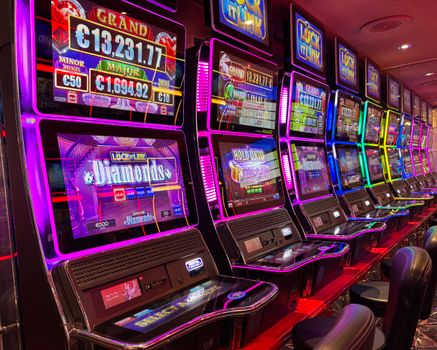
When it comes to online gambling, safety is paramount. The rapid growth of digital casinos has given players more choices and convenience than ever before, but it has also created opportunities for unscrupulous operators. Whether you’re a seasoned player or new to the scene, learning how to choose a safe online casino will protect your money, your personal information, and your peace of mind. In this comprehensive guide, we’ll break down the key factors to watch out for, including hidden red flags, industry standards, and practical steps you can take to ensure your gaming experience remains secure and enjoyable.
The Hidden Dangers: Why Online Casino Safety Is Crucial
Online gambling is a booming industry. According to Statista, global online gambling revenues reached $92.2 billion in 2023, and the market is projected to grow further. But with this explosive growth comes a surge in fraudulent websites and rogue operators. In 2022 alone, the UK Gambling Commission suspended 12 online casino licenses due to safety or compliance concerns.
Unsafe online casinos can jeopardize your financial security, steal your personal data, or simply refuse to pay out your winnings. Phishing scams, rigged games, and misleading bonus terms are just a few of the risks. Unlike land-based casinos, where you can see the operation in person, online casinos are faceless entities—making due diligence essential.
.png)
Licensing and Regulation: Your First Line of Defense
The most fundamental step in choosing a safe online casino is checking its licensing status. A reputable online casino will hold a license from a recognized regulatory authority. These bodies enforce strict standards for fairness, security, and responsible gambling.
The most respected licensing authorities include:
- Malta Gaming Authority (MGA) - United Kingdom Gambling Commission (UKGC) - Gibraltar Regulatory Authority - Alderney Gambling Control Commission - Kahnawake Gaming Commission (Canada) - Curacao eGaming (widely used, but with less strict oversight)A legitimate license guarantees that the casino is audited, follows anti-money laundering protocols, and protects player funds. Always verify a casino’s license number and check the regulator’s website for its validity.
| Regulator | Jurisdiction | Player Protection | Dispute Resolution |
|---|---|---|---|
| UK Gambling Commission | United Kingdom | Very High | Yes |
| Malta Gaming Authority | European Union | High | Yes |
| Curacao eGaming | Global | Moderate | Limited |
Data Security and Player Privacy: Protecting Your Information
A safe online casino will prioritize the security of your personal and financial data. In 2021, cyberattacks on gambling platforms increased by 30%, targeting weakly protected websites. Here’s what to look for:
- $1: The website should use at least 128-bit SSL encryption, visible by a padlock icon in the browser address bar and a URL starting with “https://”. This ensures that your data is transmitted securely. - $1: Read the casino’s privacy policy. It should clearly describe how your information is collected, used, and shared. Avoid sites with vague or missing privacy statements. - $1: The most secure casinos offer 2FA for account logins, providing an extra layer of protection against unauthorized access.If a casino does not provide these basic security measures, it’s best to look elsewhere.
Game Fairness: Ensuring Honest Play with Audits and RNGs
One major concern for online casino players is the fairness of games. How do you know the slots aren’t rigged or that the blackjack dealer isn’t stacked against you? The answer lies in independent audits and Random Number Generators (RNGs).
- $1: Reputable casinos use RNG software to ensure that game outcomes are random. Look for certification from trusted testing agencies like eCOGRA, iTech Labs, or GLI. - $1: The Return to Player (RTP) percentage should be published for each game. For example, a slot with 96.5% RTP means that, on average, players get $96.50 back for every $100 wagered. - $1: Transparent casinos publish audit reports or certificates on their website. These documents verify that games are fair and payouts are accurate.If you cannot find evidence of independent testing, or the casino refuses to disclose payout percentages, that’s a major red flag.
Responsible Gambling Tools and Customer Support
A safe online casino should actively support responsible gambling. Problem gambling affects nearly 2% of online players, according to the National Council on Problem Gambling. Reputable casinos provide tools and resources to help you stay in control:
- $1: Players should be able to set daily, weekly, or monthly limits. - $1: Look for options to take a temporary break or permanently self-exclude from the platform. - $1: Some casinos offer reminders about how long you’ve been playing. - $1: The best sites provide links to organizations like GamCare, BeGambleAware, or the National Council on Problem Gambling.Equally important is responsive customer support. Test the casino’s support channels—live chat, email, or phone. A good casino will answer inquiries quickly and resolve issues efficiently.
Payment Methods, Withdrawal Policies, and Transparency
Your financial transactions should be smooth, secure, and transparent. According to a 2022 Casino.org survey, 18% of online casino complaints were related to delayed or denied withdrawals. Here’s what to watch for:
- $1: Safe casinos offer a variety of trusted payment methods, such as Visa, Mastercard, PayPal, Skrill, Neteller, and in some cases, cryptocurrencies. Avoid casinos that only accept obscure or untraceable payment services. - $1: Check the withdrawal processing times. Average legitimate casinos process withdrawals within 24-72 hours. Excessive delays or vague timelines are a warning sign. - $1: Read the terms related to deposits, withdrawals, and bonus wagering requirements. Unclear or unfair terms can lead to unpleasant surprises. - $1: Transparent casinos do not charge excessive or hidden fees for transactions.Community Reputation and Red Flags: What Players Say Matters
Finally, always research the casino’s reputation among players. The online gambling community is quick to share both positive and negative experiences. Here’s how to gather reliable feedback:
- $1: Read reviews from trusted platforms like Casino.org, AskGamblers, or Trustpilot. Be wary of review sites that lack transparency about their rating process. - $1: Visit forums such as Reddit’s r/onlinegambling or Casinomeister to see what real users are saying. - $1: Some sites maintain blacklists of casinos with a history of fraud or non-payment. Check if your chosen casino appears on any. Common red flags include: - Consistent complaints about non-payment or confiscated winnings - Poor or unresponsive customer service - Lack of transparency about licensing or ownership - Overly aggressive marketing or spammy promotionsFinal Checklist: How to Choose a Safe Online Casino Every Time
To recap, here’s a practical checklist to follow before you sign up at any online casino:
1. Confirm the casino’s license is valid and issued by a reputable authority. 2. Ensure the website uses SSL encryption and strong privacy policies. 3. Check for independent game fairness certification (eCOGRA, iTech Labs, etc.). 4. Assess the variety and reliability of payment methods and withdrawal policies. 5. Look for responsible gambling tools and prompt customer support. 6. Research the casino’s reputation on independent sites and forums. 7. Avoid casinos with a history of payment delays, unclear terms, or licensing issues.Online casinos can be a fun and rewarding way to enjoy your favorite games, but only if you play safely. By following the steps outlined above, you can protect yourself from scams and focus on enjoying your gaming experience.