Casino Table Games Demystified: Rules, Odds, and How to Get Started
Stepping onto a casino floor for the first time—whether in Las Vegas, Monte Carlo, or online—can feel overwhelming. Amid the dazzling lights and the hum of excitement, rows of table games beckon with the promise of big wins and unforgettable experiences. But what exactly are casino table games, and how do you find the ones that suit your style? This comprehensive guide cuts through the noise, introducing you to the world of casino table games, breaking down the rules, odds, etiquette, and helping you make informed choices as you play.
What Are Casino Table Games? A Quick Overview
Casino table games are the heart and soul of both land-based and online casinos. Unlike slots or video poker, these games are played on a table, often managed by a croupier or dealer, and typically involve cards, dice, or wheels. The most popular table games include blackjack, roulette, baccarat, craps, and poker variants. Each game has its own set of rules, strategies, and betting options, offering diverse experiences for players of all skill levels.
According to the American Gaming Association, over 40% of casino revenue in the United States comes from table games, highlighting their enduring popularity. Unlike slot machines that rely purely on luck, many table games combine chance with skill, giving players the opportunity to influence the outcome.
.png)
Key Casino Table Games: Rules, Playstyle, and Appeal
Let’s dive into some of the central table games you’ll encounter, examining what makes each one unique.
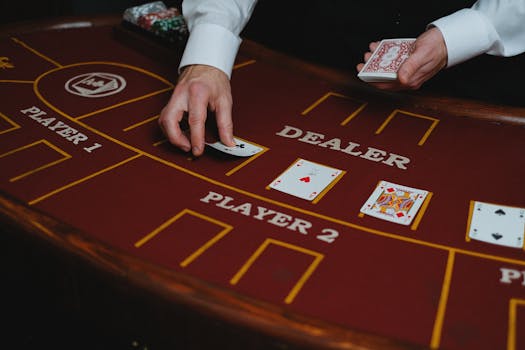
Blackjack: Often called “21,” blackjack is a card game where players compete against the dealer to get as close as possible to 21 without going over. The simplicity, combined with some of the best odds in the casino (house edge as low as 0.5% with optimal play), makes blackjack a perennial favorite.
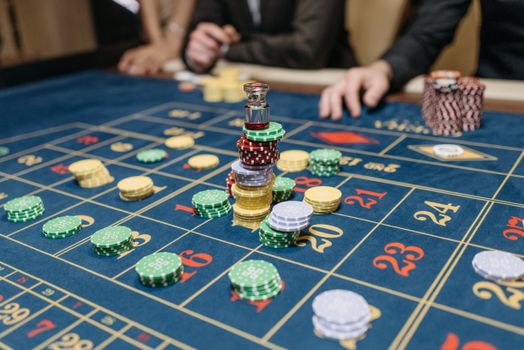
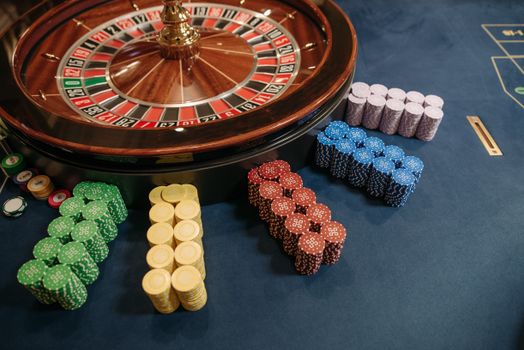
Roulette: In roulette, players bet on where a small ball will land on a spinning wheel. Bets can be placed on single numbers, groups of numbers, colors (red or black), or odd/even. With a house edge typically ranging from 2.7% (European roulette) to 5.26% (American roulette), it’s a game of pure chance but high excitement.
Baccarat: Known for its elegance and association with high rollers, baccarat is a game where players bet on the “player,” “banker,” or a tie. The house edge for banker bets is impressively low at around 1.06%.
Craps: Craps is a dice game with a complex table layout but simple core mechanics. Players bet on the outcome of the roll or a series of rolls of two dice. With certain bets, the house edge can be as low as 1.4%.
Poker Variants: Table poker games like Caribbean Stud, Three Card Poker, and Pai Gow Poker pit players against the dealer rather than each other. They blend elements of traditional poker with casino gameplay.
These games form the backbone of casino gaming and contribute to the lively, social atmosphere that distinguishes table games from solitary slot play.
Understanding House Edge and Game Odds
The concept of the house edge is critical in casino table games. It represents the mathematical advantage the casino holds over the player, expressed as a percentage of each bet. A lower house edge means better odds for the player and a higher chance of walking away a winner.
Here’s a comparative table showcasing the house edge and basic odds for some popular table games:
| Game | Typical House Edge (%) | Key Skill Element | Minimum Bet (Las Vegas Avg.) |
|---|---|---|---|
| Blackjack | 0.5 – 2 | Yes (Strategy matters) | $10 |
| Roulette (European) | 2.7 | No (Pure chance) | $10 |
| Baccarat (Banker Bet) | 1.06 | No (Minimal player decision) | $25 |
| Craps (Pass Line) | 1.41 | Moderate (Bet selection) | $5 |
| Three Card Poker | 3.37 | Yes (Basic strategy) | $10 |
It’s important to note that while games like blackjack and some poker variants reward skill, others like roulette and baccarat rely almost entirely on luck. This variety allows players to choose games based on their personal preferences and comfort with risk.
How to Choose the Right Casino Table Game for You
Choosing the right table game isn’t just about the odds—it’s about matching your personality, risk tolerance, and social preferences with the game’s characteristics.
Skill vs. Chance: If you enjoy games where your decisions matter, blackjack and poker variants are excellent choices. Prefer to let fate decide? Roulette and baccarat offer straightforward play with minimal decision-making.
Social Atmosphere: Craps tables are renowned for their lively, communal energy, with players often cheering each other on. Blackjack tables can be sociable too, but tend to focus more on individual play. Baccarat and roulette can range from quiet to bustling, depending on the crowd.
Budget: Minimum bets vary widely. Craps and some poker games often have lower minimums ($5–$10), while baccarat tables—especially in upscale casinos—can start at $25 or more. Always check the table limits before you sit down.
Payouts and Volatility: Some games offer the chance for huge wins on small bets (like a roulette straight-up bet paying 35:1), while others offer more consistent, smaller payouts (such as the even money bets in blackjack and baccarat).
The best way to find your favorite is to try different games, ideally starting with low stakes or free online versions to learn the ropes without risking much.
Casino Table Game Etiquette and Tips for Beginners
While the rules of each game are essential, so is understanding the unwritten “code” of casino table etiquette. Here’s what newcomers should know:
Respect the Dealer and Other Players: Wait for the current round to end before joining a table. Never touch your chips after a bet has been placed and the action has started.
Know the Hand Signals: In games like blackjack, use hand signals (not just words) to “hit,” “stand,” or “double down.” This keeps the game fair and transparent for cameras and other players.
Handle Chips and Cards Properly: In most casinos, cards must remain visible on the table at all times. Don’t pick them up with both hands or try to conceal them.
Tipping: It’s customary—and appreciated—to tip dealers, especially after a good run or big win. In the U.S., a typical tip is $1–$5 per winning hand or a percentage of your winnings.
Don’t Offer Advice: Unless asked, never tell other players how to play their hands. Table games are about personal decisions, and unsolicited advice is frowned upon.
Adhering to these basic points will help you blend in seamlessly, enjoy the experience, and avoid social faux pas.
Online vs. Land-Based Casino Table Games: What’s the Difference?
The digital age has brought casino table games to screens worldwide, allowing players to enjoy classics from the comfort of home. But how do online experiences compare to their brick-and-mortar counterparts?
Live Dealer Games: Many online casinos now offer live dealer versions of blackjack, roulette, and baccarat, streaming real croupiers to your device. This bridges the gap between virtual and real-world play.
Game Pace: Online games tend to be faster, as there’s no waiting for other players to act. This can be a plus for those who prefer a brisk pace, but it also means losses can add up more quickly if you’re not careful.
Bonuses and Promotions: Online casinos frequently offer sign-up bonuses, cashback, and loyalty rewards. These can add significant value, especially for new players.
Atmosphere: While online games offer convenience, nothing quite matches the energy and excitement of a live casino floor. The sounds, sights, and social interactions are unique to land-based venues.
Accessibility: Online play means you can practice and play for low stakes or even for free, making it an excellent way to learn the ropes before committing serious money at a physical casino.
According to Statista, the global online gambling market is expected to reach $92.9 billion by 2023, highlighting the rapid growth and popularity of digital table games.
Final Thoughts: Making the Most of Casino Table Games
Casino table games offer a world of excitement, strategy, and social interaction, whether you’re playing in a glamorous resort or from your living room. Understanding the rules, odds, and etiquette can transform a daunting experience into a fun and potentially rewarding pastime.
Remember, the best approach is to play responsibly, know your limits, and choose games that align with your interests and budget. With a bit of preparation and a spirit of adventure, table games can provide endless entertainment and the thrill of competition.