The Truth About Casino Games: Game of Chance or Game of Skill?
For generations, casinos have captured the imagination of players seeking excitement, social engagement, and the tantalizing possibility of life-changing wins. But beneath the dazzling lights and spinning reels, a fundamental question persists: Are casino games truly games of chance, or do skill and strategy play a decisive role? The answer is more complex than it may first appear, with different games falling on a spectrum between pure luck and skill-based contests. In this article, we’ll unravel the realities behind casino games, using data, expert analysis, and real-world examples to reveal the delicate balance between fortune and expertise.
Understanding the Basics: Defining Chance and Skill in Gaming
To grasp whether a casino game is governed by luck, skill, or a mix of both, it’s essential to define these terms:
- $1 Outcomes are predominantly determined by randomness. The player’s influence is minimal or nonexistent, as seen in games like slots or roulette. - $1 Outcomes are primarily shaped by the player’s decisions, strategy, or expertise. Poker and blackjack are common examples. - $1 Many casino games blend elements of both, allowing skill to impact the outcome within the boundaries set by chance.According to a 2022 report from the UK Gambling Commission, over 70% of casino players could not accurately distinguish between games of chance and skill, often overestimating their ability to influence random outcomes. This confusion can lead to misconceptions, unrealistic expectations, and even risky betting behavior.
.png)
Casino Classics: Where Do Popular Games Fall on the Spectrum?
Let’s explore where the most popular casino games land between luck and skill, using facts and real-world examples:
| Game | Chance | Skill | Skill Impact (%) | House Edge (%) |
|---|---|---|---|---|
| Slots | High | Low | 0 | 2–15 |
| Roulette | High | Very Low | <1 | 2.7–5.26 |
| Blackjack | Moderate | High | Up to 60 | 0.5–2 |
| Poker | Moderate | Very High | Up to 90 | 0 (rake applies) |
| Baccarat | High | Low | <1 | 1.06–1.24 |
| Craps | High | Moderate | 10–20 | 1.4–5 |
This table highlights just how varied the casino landscape is. For example, in slots and roulette, player decisions have almost no effect on the outcome. Conversely, poker allows skilled players to consistently outperform amateurs, which is why it is often excluded from gambling bans in some jurisdictions.
Chance-Dominated Games: The Allure and Limitations of Luck
Slots, roulette, and baccarat are quintessential examples of games where luck reigns supreme. Here’s why:
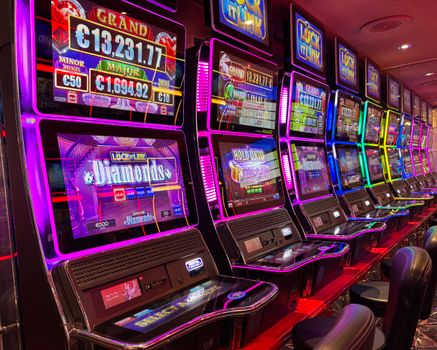
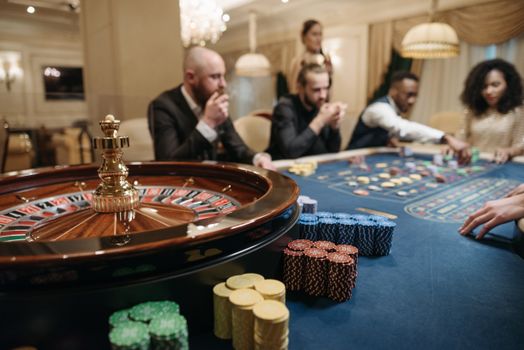
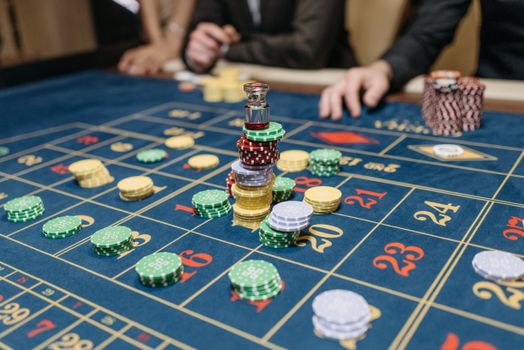
- $1 In slot machines, advanced algorithms ensure every spin is independent and unpredictable. No amount of "strategy" or superstition can alter your chances. In 2023, over 70% of casino revenue in Las Vegas came from slots—proof of their enduring appeal, even in the absence of skill. - $1 While betting systems like the Martingale are popular, the outcome of each spin is determined by physics and randomness. The European roulette wheel has 37 pockets, giving a 2.7% house edge, while the American version’s extra double zero raises this to 5.26%. - $1 With only three choices (Player, Banker, Tie), baccarat offers little room for player influence. The Banker bet is marginally better, with a house edge of just 1.06%, but outcomes remain essentially random.The main appeal of chance-based games is their accessibility. Beginners can play without any prior knowledge, and every player, regardless of experience, has an equal shot at a jackpot. However, this also means there is no reliable way to gain a long-term edge.
Skill-Based Games: When Knowledge and Strategy Pay Off
Some casino games reward experience, mathematical understanding, and psychological insight. Here’s how skill can tip the odds:
- $1 With optimal play (known as “basic strategy”), the house edge can be reduced to as little as 0.5%. Professional card counters, like those from MIT’s legendary blackjack team, have even managed to flip the odds, though casinos actively combat such methods. - $1 Unlike other games, poker pits players against each other, not the house. This creates a skill hierarchy—seasoned players use probability, psychology, and game theory to consistently profit. A 2021 study published in the Journal of Gambling Studies found that experienced poker players win 54% of hands on average against novices, confirming skill’s decisive influence. - $1 While the dice roll is random, skilled players can minimize losses by making mathematically sound bets (like the Pass Line or Don’t Pass). Some advantage players attempt “controlled shooting,” but success rates are highly disputed.Skill-based games attract those who relish challenge and mastery. The learning curve can be steep, but the rewards—both psychological and financial—are significant for those willing to invest the time.
The House Always Wins: Understanding House Edge and RTP
No matter where a game lands on the chance-skill spectrum, casinos are built to profit in the long run. This is achieved through two important concepts:
- $1 This is the mathematical advantage the casino holds over the player, expressed as a percentage of each bet. For example, European roulette’s house edge is 2.7%, meaning for every $100 wagered, the casino expects to keep $2.70 on average. - $1 This figure, expressed as a percentage, tells players how much of their wager is expected to be returned over time. A slot with a 96% RTP returns $96 for every $100 wagered—though actual results vary wildly in the short term.It's worth noting that even skill-based games like blackjack and poker have mechanisms to ensure casino profitability. In blackjack, errors or suboptimal strategy raise the house edge, while in poker, the casino takes a “rake” or commission from each pot.
Psychology of Chance and Skill: Why Perception Matters
Human psychology plays a major role in how players approach casino games. Several cognitive biases influence risk-taking and perceptions of control:
- $1 Players often believe they can influence chance-based games through rituals, lucky charms, or betting systems. A University of Waterloo study (2019) found that 41% of slot machine players believed their actions could impact the outcome, despite overwhelming evidence to the contrary. - $1 This is the mistaken belief that a string of losses increases the likelihood of a win (“I’m due!”). Such thinking can lead to chasing losses and risky behavior. - $1 In games like blackjack, players may overrate their ability, especially if they’ve had a streak of good luck. This can result in larger bets and greater losses over time.Casinos are designed to exploit these psychological tendencies, with features like near-misses on slots, celebratory sounds, and the promise of “hot streaks” encouraging continued play.
Legal and Regulatory Perspectives: Why the Distinction Matters
The distinction between chance and skill has real-world legal implications:
- $1 In many jurisdictions, games predominantly determined by skill—such as poker or daily fantasy sports—are not classified as gambling, allowing them to operate legally even where casinos are banned. - $1 Regulators encourage transparency around house edge and RTP, helping players make informed choices. The UK’s Gambling Act requires all licensed casinos to publish this information, and similar measures are spreading worldwide. - $1 The rise of skill-based digital games and “hybrid” formats is blurring traditional boundaries. In 2023, over 15% of new online casino launches included at least one game where player decisions significantly affect the outcome.Understanding the legal and regulatory context is crucial for both players and operators, as penalties for violating gambling laws can be severe.
Final Thoughts: Navigating the World of Casino Games
Casino games offer a vast and varied landscape, from pure games of chance where luck is the only factor, to intense contests of skill and strategy. Understanding which is which isn’t just an academic exercise—it’s essential for making informed decisions, setting realistic expectations, and enjoying the experience responsibly.
Remember: No system can guarantee victory in games of chance, and even skill-based games require discipline, practice, and knowledge. For most players, the real win is entertainment, social interaction, and the thrill of possibility. By knowing the truth about chance and skill in casino games, you can play smarter—and enjoy the ride.