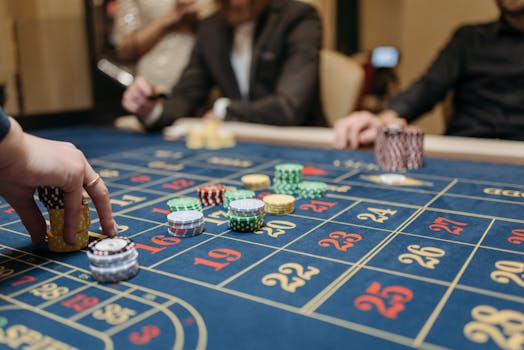
High-rolling, or wagering large sums for the chance to win even bigger, is a world that attracts thrill-seekers, risk-takers, and those who crave exclusivity. While both casinos and sportsbooks cater to high rollers, the nature, risks, and rewards of placing high stakes in table games versus sporting events are surprisingly different. Whether you’re a seasoned gambler or just curious about the high-stakes scene, understanding these differences is crucial. This article dives deep into the comparison of high roller bets: casino vs. sports betting—exploring everything from bet structures and odds to perks, psychological factors, and financial outcomes.
The High Roller Landscape: Casino vs. Sports Betting
High rollers, often known as "whales" in casino circles, typically wager amounts ranging from $10,000 to over $1 million on a single bet. The global VIP gambling market is estimated to be worth over $15 billion annually, with high rollers accounting for up to 25% of casino revenue in some regions. In sports betting, especially in markets like the United Kingdom, the U.S., and Asia, high-roller wagers can reach similar heights, with single bets sometimes exceeding $500,000 on major events like the Super Bowl or the FIFA World Cup.
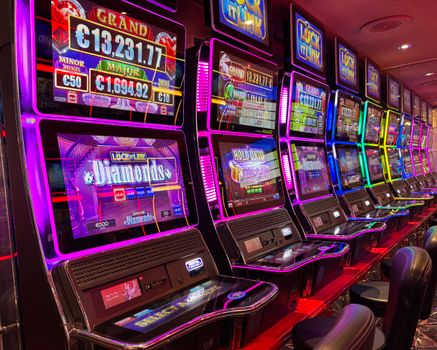
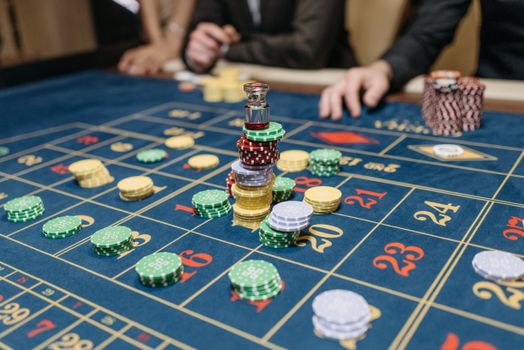
The core difference is the environment: casinos offer games of chance (like baccarat, roulette, and blackjack), with outcomes determined by random events or a shuffled deck. Sports betting, by contrast, involves wagering on the outcomes of real-world sporting events, where knowledge, research, and prediction play a larger role. Both worlds promise excitement, status, and the possibility of huge wins, but they operate under different rules and reward structures.
.png)
Betting Structures and House Edge: How the Games Differ
One of the most crucial differences between high roller casino betting and high-stakes sports betting is the structure of the bets and the "house edge"—the built-in advantage the operator holds.
In casinos, the house edge is well-defined and varies by game: - Roulette (American): House edge of 5.26% - Blackjack: House edge can be as low as 0.5% with optimal play - Baccarat: House edge around 1.06% on the banker betThis means that over time, the casino expects to retain a small percentage of all money wagered, regardless of individual outcomes. High rollers in casinos are essentially playing against mathematical odds.
Sports betting operates differently. Instead of a house edge, bookmakers set odds that factor in their profit margin, known as the "vig" or "juice." For example, standard odds of -110 on both sides of a point spread mean the bettor must wager $110 to win $100, a built-in margin of about 4.5%. However, odds can shift based on the event, perceived risk, and bettor demand. Unlike casino games, sports bettors can seek out "value bets" where they believe the odds misrepresent the true likelihood, giving skilled bettors an edge.
Risk, Reward, and Volatility: Where High Rollers Win and Lose
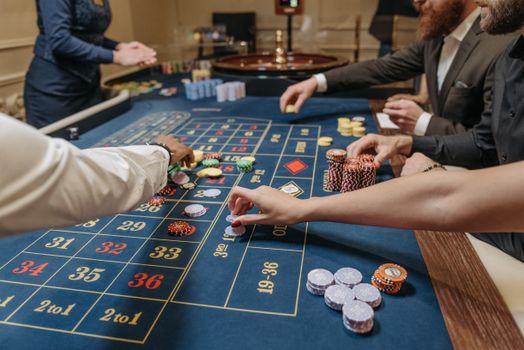
High roller casino bets are often resolved quickly—sometimes in a single spin of the wheel or hand of cards. This immediacy appeals to those who enjoy instant gratification, but it also means swings can be wild and bankrolls can disappear in minutes. For example, a single $100,000 bet on roulette can be lost in less than a minute.
Sports betting, on the other hand, generally involves a longer waiting period (the duration of a match or race) and allows for more nuanced betting strategies, including hedging and live (in-play) wagers. The largest single sports bet ever recorded was $8.19 million, placed by an anonymous gambler on the 2017 World Series. While such bets are rare, six-figure wagers are common during major sporting events.
The volatility in both formats can be extreme, but the skill element in sports betting allows astute bettors to potentially outperform the market, whereas casino games are truly games of chance in the long run.
VIP Perks and Player Treatment: The High Roller Experience
Casinos are renowned for their lavish treatment of high rollers. VIPs may receive: - Complimentary suites, private jets, and gourmet dining - Exclusive access to high-limit rooms and private tables - Personalized hosts and special event invitationsFor instance, in Macau, high rollers have been known to receive perks valued at over $100,000 just for visiting and betting at premium levels. In Las Vegas, top-tier players receive luxury accommodations and even cashback on losses, sometimes as much as 10% for the biggest spenders.
Sportsbooks, especially in the online era, have stepped up their game in recent years. High-stakes sports bettors may be offered: - Enhanced odds or reduced juice - Higher bet limits on major events - Invitations to exclusive sporting events, VIP boxes, and hospitality suitesHowever, it's worth noting that some sportsbooks, especially online, are known for limiting or even banning successful high-stakes bettors, particularly those who consistently win or exploit pricing inefficiencies. This contrasts with casinos, where high rollers are almost always welcomed.
Financial Implications: Taxation, Payouts, and Long-term Outcomes
The financial side of high rolling goes beyond wins and losses. In the U.S., casino winnings are subject to federal and state taxes, with the IRS requiring casinos to report wins over $1,200. Sports betting winnings are taxed similarly, but regulations and enforcement vary by state and country.
Payout speeds are typically faster for casino games, with cashiers on site and instant transactions. Sportsbook payouts may take longer, especially for large amounts, due to verification and anti-money laundering checks. Some online sportsbooks may even require proof of income or source of funds for payouts over $100,000.
Long-term, the prospect of consistent profit is better for skilled sports bettors than for casino high rollers, as the latter are always fighting the house edge. That said, large casino jackpots and progressive games can sometimes offer life-changing wins that are not easily replicated in sports betting.
Comparative Overview: Key Differences at a Glance
The following table summarizes the main differences between high roller betting in casinos and sports betting:
| Aspect | Casino High Roller Bets | Sports Betting High Roller Bets |
|---|---|---|
| Typical Bet Size | $10,000 to $1+ million | $10,000 to $500,000+ |
| House Edge / Margin | 0.5% - 5% (varies by game) | 2% - 10% (varies by odds) |
| Skill vs. Chance | Mostly chance, some skill in games like blackjack | Significant skill element in research and analysis |
| Payout Speed | Immediate (onsite) | Varies; can be delayed for large sums |
| VIP Perks | Luxury rooms, comps, cashback, events | Enhanced odds, higher limits, event hospitality |
| Taxation | IRS reporting over $1,200 (US) | Same as casino, but varies by jurisdiction |
| Ban/Limitation Risk | Rarely banned; always welcomed | Winning bettors may be limited or banned |
Psychological Factors: Adrenaline, Strategy, and Social Aspects
The psychological landscape differs notably between casino and sports betting high rollers. Casino gambling is often about the rush of the moment—the tension of a card flip or the spin of a wheel. Social interaction with dealers and other players adds to the allure, and the casino environment is engineered to maximize excitement and comfort.
Sports betting high rollers, on the other hand, often take a more analytical approach. The anticipation builds over hours or days as they follow the outcome of a game, and the satisfaction of a well-researched win can be immense. Some high-stakes sports bettors form private syndicates or betting groups, leveraging insider knowledge and pooled resources.
Interestingly, studies show that nearly 40% of high rollers in casinos cite the atmosphere and social perks as primary motivators, while over 50% of sports betting high rollers are driven by the intellectual challenge and potential for profit.
Final Thoughts: The Ultimate High Roller Choice
For those with the bankroll to play at the highest levels, both casino and sports betting offer unique thrills and pitfalls. Casino high rolling is about risk, luxury, and instant drama, with clear odds and a focus on entertainment. Sports betting at high stakes leans more on research, strategy, and the exhilaration of prediction.
Ultimately, your choice may come down to personal preference: Do you crave the sensory overload and social scene of the casino, or the analytical satisfaction and strategic depth of sports betting? Either way, understanding the differences helps maximize enjoyment and manage risk in the high-stakes world.